Monday, December 3, 2012

Wednesday, March 7, 2012
1 in 4 women die of heart failure in Malaysia
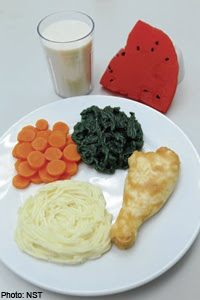

When 58-year-old Rita (not her real name) experienced episodes of gastric pain and chest fullness, she put it down to the effects of ageing and did not give it much thought.
When the problem persisted, she went to see a general practitioner who prescribed her gastric medication.
One night after a bad episode of "gastritis", Rita, who has a family history of heart disease and has high blood pressure, took her gastric medication and went to bed.
She never woke up. She died of a heart attack in her sleep.
Scary as it sounds, many women, especially those in the post menopausal age, have no inkling that they could be suffering from cardiovascular diseases as unlike men, they rarely display the classic symptoms of a heart attack such as chest pain.
Cardiovascular disease (CVD) is now the main cause of medically-certified deaths among Malaysian women, with one in four dying of heart failure.
Deaths from CVD is 21/2 times more common than that of all cancers combined and this has been the trend in Malaysia since 1999.
"Often, the symptoms are very atypical. Very few have the classic chest pain. Instead, they usually come in with shoulder pain or stomach pain which may be mistaken for gastritis. Sometimes they just come feeling tired or short of breath. Because of this, they are often misdiagnosed by healthcare professionals," said cardiologist Dr Jeyamalar Rajadurai.
She said because they often mistook these symptoms for the effects of menopause and because of the lack of the classic heart attack symptoms, women tend to come in with fatal heart failure.
The National Health and Morbidity Survey 2006 revealed that more women die from heart disease than they do from stroke but many are ignorant of this fact.
Dr Jeyamalar, who is the secretary of the Women's Heart Health Organisation, an organisation under the National Heart Association, said a survey that was conducted last year among 5,195 professionals and office workers in Malaysia (71 per cent female) revealed that most were unaware that CVD was the main cause of death for women in Malaysia.
"Some 68 per cent said the main cause was cancer. Only 25 per cent of women were aware that heart disease and stroke occurs in women.
"Some 57 per cent said it never occurs in women and only 14 per cent were aware that CVD can occur even in younger women, that is, before menopause."
She said women tend to have heart diseases about 10 years after menopause although it could also occur before they reach menopause especially among those who were genetically predisposed to the condition.
Menopausal women tend to suddenly put on weight, have increased blood pressure and high sugar levels all of which are risk factors for CVD.
Dr Jeyamalar said women who have symptoms like stomach pain which is associated with sweating or they feel unduly tired or short of breath, especially if they have diabetes or a family history of heart disease, should at least get an ECG done to determine the cause.
"The problem is that a lot of times when it is mild, they think it's nothing. They attribute it to angin (bloatedness and wind), and then they go on and by the time they finally get it, it's already so bad."
Many women, she added, are also in denial and would not make an attempt to get themselves checked even when they know that they could be at risk.
"They think they are superwomen."
She said sometimes financial constraints also prevented these women from seeking treatment. "This is especially so among older women who are dependent on their children to take them to hospital or get their medication for them. So because of that they just keep quiet.
She said because symptoms of a heart attack are vague in women, they should take appropriate preventive steps such as living a healthy lifestyle with a balanced diet and regular exercise.
"And if you have a family history of CVD and are at risk, get your blood pressure, sugar level and cholesterol checked regularly."
Dr Jeyamalar Rajadurai says many are unaware that cardiovascular disease is the main cause of death among women in Malaysia.
An extract from:
Exercise your way to a healthy heart
Erleena Boey Ghod Chee says women need to start exercising at a younger age to prepare for meno
"Because women go through menopause, they need to start exercising at a younger age to prepare for this phase in their life where they are at greater risk of developing heart diseases.
She said the exercise regime can be as simple as brisk walking, or doing household chores.
"What's important for heart health is to keep moving because the more you exercise, your heart muscles get stronger and your blood circulates better."
Stressing that it's never too late to exercise, Boey said even a 70-year-old can start an exercise regime that is not too strenuous, such as walking. However, exercise must be a sustained activity to achieve the desired results.
"If you cannot find an entire half hour to exercise every day, just do 10 minutes of vigorous activities three times a day. That will also help."
Older women who have knee problems can instead swim, cycle or do tai chi and yoga.
For those who suffer from osteoporosis, Boey suggested weight training as it helped improve bone density.
Many exercises can also be done in the comfort of one's home or office such as using the staircase as a stepboard, skipping with a rope, using a gymball or doing some stretching exercises for the arms by using a chair or bench for support.
"Exercise can be enjoyable and fun. Take dancing for example -- it makes you feel good, it's fun plus it gives you a good workout," she added.
Boey encouraged women to do a lot of resistance training, as it helps break down fat, build up muscle mass and increase the metabolic rate.
"It will help you be lean but you won't look muscular like a man."
An extract from: http://www.nst.com.my/local/general/exercise-your-way-to-a-healthy-heart-1.55229
Friday, January 13, 2012
The Wise Words of Buddha
Health is the greatest gift, contentment the greatest wealth, faithfulness the best relationship.
It is a man's own mind, not his enemy or foe, that lures him to evil ways.
Do not dwell in the past, do not dream of the future, concentrate the mind on the present moment.
He who experiences the unity of life sees his own Self in all beings, and all beings in his own Self, and looks on everything with an impartial eye.
Peace comes from within. Do not seek it without.
The world, indeed, is like a dream and the treasures of the world are an alluring mirage! Like the apparent distances in a picture, things have no reality in themselves, but they are like heat haze.
Our theories of the eternal are as valuable as are those which a chick which has not broken its way through its shell might form of the outside world.
On life's journey faith is nourishment, virtuous deeds are a shelter, wisdom is the light by day and right mindfulness is the protection by night. If a man lives a pure life, nothing can destroy him.
All that we are is the result of what we have thought. If a man speaks or acts with an evil thought, pain follows him. If a man speaks or acts with a pure thought, happiness follows him, like a shadow that never leaves him.
Believe nothing, no matter where you read it, or who said it, no matter if I have said it, unless it agrees with your own reason and your own common sense.
We are formed and molded by our thoughts. Those whose minds are shaped by selfless thoughts give joy when they speak or act. Joy follows them like a shadow that never leaves them.
Work out your own salvation. Do not depend on others.
Holding on to anger is like grasping a hot coal with the intent of throwing it at someone else; you are the one getting burned.
As the fletcher whittles and makes straight his arrows, so the master directs his straying thoughts.
Buddha Quotes
If a man who enjoys a lesser happiness beholds a greater one, let him leave aside the lesser to gain the greater.
I reached in experience the nirvana which is unborn, unrivalled, secure from attachment, undecaying and unstained. This condition is indeed reached by me which is deep, difficult to see, difficult to understand, tranquil, excellent, beyond the reach of mere logic, subtle, and to be realized only by the wise.
It is better to conquer yourself than to win a thousand battles. Then the victory is yours. It cannot be taken from you, not by angels or by demons, heaven or hell.
There is nothing so disobedient as an undisciplined mind, and there is nothing so obedient as a disciplined mind.
What we are today comes from our thoughts of yesterday, and our present thoughts build our life of tomorrow: Our life is the creation of our mind.
Better than a thousand hollow words, is one word that brings peace.
He who experiences the unity of life sees his own Self in all beings, and all beings in his own Self, and looks on everything with an impartial eye.
In the sky, there is no distinction of east and west; people create distinctions out of their own minds and then believe them to be true.
Peace comes from within. Do not seek it without.
The mind is the source of happiness and unhappiness.
As the fletcher whittles and makes straight his arrows, so the master directs his straying thoughts.
To enjoy good health, to bring true happiness to one's family, to bring peace to all, one must first discipline and control one's own mind. If a man can control his mind he can find the way to Enlightenment, and all wisdom and virtue will naturally come to him.
Whatever words we utter should be chosen with care for people will hear them and be influenced by them for good or ill.
The thought manifests as the word. The word manifests as the deed. The deed develops into habit. And the habit hardens into character. So watch the thought and its ways with care. And let it spring from love, born out of concern for all beings.
Meditation brings wisdom; lack of meditation leaves ignorance. Know well what leads you forward and what hold you back, and choose the path that leads to wisdom.
Meditate. Live purely. Be quiet. Do your work with mastery. Like the moon, come out from behind the clouds! Shine.
Look within, thou art the Buddha.
Believe nothing merely because you have been told it. Do not believe what your teacher tells you merely out of respect for the teacher. But whatsoever, after due examination and analysis, you find to be kind, conducive to the good, the benefit, the welfare of all beings -- that doctrine believe and cling to, and take it as your guide.
A family is a place where minds come in contact with one another. If these minds love one another the home will be as beautiful as a flower garden. But if these minds get out of harmony with one another it is like a storm that plays havoc with the garden.
Words have the power to both destroy and heal. When words are both true and kind, they can change our world.
The secret of health for both mind and body is not to mourn for the past, worry about the future, or anticipate troubles but to live in the present moment wisely and earnestly.
Inspiring Quotes & Sayings
If you're looking for inner peace from the outside world, you're not going to get that. The inner peace starts with looking at you from the inside.
Mary J. Blige
Inner peace is beyond victory or defeat.
Bhagavad Gita
When we have inner peace, we can be at peace with those around us. When our community is in a state of peace, it can share that peace with neighboring communities.
The Dalai Lama
When the mind is left without anything to cling to, it becomes still.
Sri Ramana Maharshi
The life of inner peace, being harmonious and without stress, is the easiest type of existence.
Norman Vincent Peale
When your daily activities are in concert with your highest priorities, you have a credible claim to inner peace.
Hyrum Smith
When the restless activity of your mind slows down, when your thoughts stop rushing like waves on a windy day, then you will start getting glimpses of the sweet taste of inner peace.
Remez Sasson
Spending quiet time alone gives your mind an opportunity to renew itself and create order.
Susan Taylor
Inner peace can be reached only when we practice forgiveness. Forgiveness is letting go of the past, and is therefore the means for correcting our misperceptions.
Gerald Jampolsky
A quiet mind is all you need. All else will happen rightly, once your mind is quiet. As the sun on rising makes the world active, so does self-awareness affect changes in the mind. In the light of calm and steady self-awareness inner energies wake up and work miracles without effort on your part.
Sri Nisargadatta Maharaj
Learn to be calm and you will always be happy.
Paramahansa Yogananda
When we are unable to find tranquillity within ourselves, it is useless to seek it elsewhere.
Francois de La Rochefoucauld
Constant meditation awakens the ability to enjoy peace of mind while talking, eating, walking, working and throughout any other activity.
Remez Sasson
Meditation gives you an opportunity to come to know your invisible self. It allows you to empty yourself of the endless hyperactivity of your mind, and to attain calmness. It teaches you to be peaceful, to remove stress, to receive answers where confusion previously reigned.
Wayne Dyer
The more tranquil a man becomes, the greater is his success, his influence, his power for good. Calmness of mind is one of the beautiful jewels of wisdom.
James Allen
Peace is not achieved by controlling nations, but mastering our thoughts.John Harricharan
When you make peace with yourself, you make peace with the world.
Maha Ghosananda
Everything you do can be done better from a place of relaxation.
Stephen C. Paul
You can hear the footsteps of God when silence reigns in the mind.
Sri Sathya Sai Baba
Learn silence. With the quiet serenity of a meditative mind, listen, absorb, transcribe, and transform.
Pythagoras
The real spiritual progress of the aspirant is measured by the extent to which he achieves inner tranquility.
Swami Sivananda
Spending quiet time alone gives your mind an opportunity to renew itself and create order.
Susan Taylor
Tuesday, September 20, 2011


Saturday, August 27, 2011
Turmeric Benefits
In recent years, turmeric benefits have captured the attention of Western scientists and herbalists. However, this herb held a place of honor in India's traditional Ayurvedic medicine because they have always known the magical medicinal powers of turmeric.
Before we delve into the health benefits of turmeric, including the possible side effects of turmeric, we would like to share with you a little about its healing history and traditional turmeric benefits.
Turmeric is a perennial shrub that is grown in India and other tropical areas of Asia. It was long used as a hot yellow spice to flavor Indian cuisine. In addition, it was added to a variety of mustards to give them a potent "bite."
In India's traditional Ayurvedic medicine turmeric was a symbol of prosperity - it was considered a whole body cleansing herb. Medically, it was used as an aid for digestive disturbances and as a treatment for fever, infections, dysentery, arthritis, jaundice and other liver problems.
The traditional Chinese physicians also used turmeric medically to treat liver and gallbladder problems, stop bleeding, and relieve chest congestion and menstrual discomforts.
How Can Turmeric Benefits…Benefit You?
The Health Benefits of Turmeric……….
 The health benefits of turmeric lie in the active ingredient called curcumin. This powerful compound gives turmeric its therapeutic benefits, its yellow color, and its pungent flavor. More specifically, curcumin harbors antioxidant, anti-inflammatory, antibacterial, stomach-soothing, and liver-and heart-protecting effects.
Turmeric is thought to reduce inflammation by lowering histamine levels and it may also stimulate the adrenal glands to increase production of a hormone that reduces inflammation. It is often used to ease joint pain and inflammation associated with arthritis. However, it is also used to reduce joint pain and in inflammation in other disorders as well.
Turmeric (curcumin) also harbors rich stores of antioxidants. Antioxidants are disease-fighting substances that mop up the continuous onslaught of free radicals. Free radicals are unstable oxygen molecules that damage cells as they travel through the body and are responsible for premature aging and diseases such as cancer if left unchecked. In fact, Naturopaths often recommend turmeric for situations in which high concentrations of antioxidants are required.
Studies with animals show that turmeric benefits liver health. Several animal studies suggest that turmeric protects the liver from the damaging effects of certain toxins, including alcohol. These findings certainly lend credence to the herb's history of use in liver aliments.
Among the many health benefits of turmeric, is that it harbors antiplatelet activity. The herb reduces the ability of the blood to form clots and, as such, this action may improve circulation as well as offer some protection against heart attacks and strokes.
If you suffer from digestive problems this may be the herb for you. Turmeric helps digest fats by stimulating the flow of bile. No wander it was used traditionally as a digestive aid.
Laboratory studies indicate that curcumin has anti-cancer activity. More specifically, it destroys some types of cancer cells. For example, in the laboratory, curcumin kills cultures of human leukemia cells. This action may be due to turmeric's antioxidant properties or some other anti-cancer activity. Needless to say, more research is needed to determine turmeric benefits as a potential cancer agent.
Other possible health benefits of turmeric:
* May help fight bacteria infections.
* May offer cataracts prevention through its antioxidant properties.
Bottom line........
More research is required to substantiate all of turmeric's purported health benefits. On the other hand, it wouldn't hurt to add it to your spice rack.
Precautions and Side Effects of Turmeric
Indeed, the possible turmeric benefits are substantial, but it is always good to be informed of possible side effects. Turmeric is considered a safe herb. However, prolong use of higher than recommended doses can cause stomach upset and other gastrointestinal disturbances.
There is no RDA (recommended daily allowance) on turmeric because it is not considered an essential nutrient. However, a typical adult dosage as a stand-alone supplement is 400 to 600 of curcumin a day.
The following people should avoid the use of turmeric.
* People with congestive heart disease whose cause remains unidentified.
* People with painful gallstones, obstructive jaundice, acute bilious colic, or extremely toxic liver disorders.
The following people should speak with a physician before starting any supplementation.
* Pregnant women, women who are trying to conceive or women that have a history of fertility problems.
* Women who are nursing.
* People with a blood-clotting disorder.
* People on any type of medication.
* People with health conditions.
How to Maximize Your Turmeric Benefits through Turmeric Supplements
Tips on Choosing a Quality Turmeric Supplement
1. Choose a supplement using only standardized extracts of at least 95% curcumin or greater.
2. Curcumin is not well absorbed by the body when taken taken orally. As such, it is often sold with piperine to enhance absorption. Bromelain also enhances the bioavailability curcumin.
3. Select a supplement from a company that follows pharmaceutical GMP compliance. Many supplements on the market today do not provide you with enough of the active ingredient to offer turmeric benefits because it's cheaper to produce. More specifically, manufactures of dietary supplements do not have to guarantee the content, effectiveness, or even the purity of their products.
As a result, many products contain little or none of its therapeutic ingredient, therefore, no turmeric benefits or too much ingredient making consumption dangerous! While others have been reported for harboring harmful contaminates.
For this reason, we suggest that you only select a supplement from pharmaceutical GMP compliant facilities. These facilities adhere to very stringent manufacturing standards.
Featured Turmeric Product
Looking for Turmeric Benefits?
One company that meets the above requirements -- and more -- is Xtend-Life Natural Products from New Zealand. Their flagship product called Total Balance contains turmeric (98% curcumin) piperine, and bromelain, in addition to a full spectrum of other specialized nutrients that your body needs for optimal 'whole' body health including vitamins, minerals, other potent antioxidants, specialty nutrients, amino acids, enzymes, and other herbal extracts. In fact, Total Balance contains over 75 specialized total nutrients.
All of the ingredients are scientifically combined in a synergistic way to enhance and maximize the efficacy of each other.
We here at Nutritional-Supplement-Educational-Centre have been taking Total Balance for several years now and can personally attest to its excellent results such as an increase in energy levels, mental clarity, and an increase feeling of well-being.
We hope this webpage discussing turmeric benefits was useful to you.
To Your Health!
The Editors
Articles extracted from: http://www.nutritional-supplement-educational-centre.com/turmeric-benefits.html
Tuesday, August 2, 2011
Optometrist vs Ophthalmologist: What’s the Difference?
One of the most confusing parts of vision and eye care for many patients is understanding the difference between optometrists and ophthalmologists. Add opticians into the mix and people become even more perplexed. So figuring out where you should start when it comes to vision care and eye health can be tricky.
Fortunately, once you understand the differences between an optometrist and an ophthalmologist, it’s pretty easy to know where you should go, when, and for what. There is considerable overlap in certain areas between the two, but there are also several striking differences.
Let’s start with optometrists.
What Is an Optometrist?
Traditionally, Optometrists (also known as O.D.s or Doctors of Optometry) were trained to diagnose and treat vision conditions like farsightedness, nearsightedness and astigmatism, as well as fit and prescribe contact lenses and prescription eyeglass lenses. A large part of their job was (and still is) to perform “refractions” — or vision correction exams.
Today’s Optometrist: Trained in Disease Diagnosis & Treatment
However, over the past 20 years, optometry training has become much more medically-oriented than in the past, and optometrists now receive rigorous and comprehensive training in not just optics and refractions, but also the diagnosis and treatment of eye disease, as well as other systemic conditions that can effect vision and eye health.
Although optometrists are not M.D.s, most current optometrists can prescribe certain medications, as well as diagnose and treat a broad-range of medical conditions that impact the eye, including glaucoma, macular degeneration, cataracts, retinal disease and ocular disorders associated with diabetes and high blood pressure.
In fact, it’s not unusual for a skilled optometrist to be the first health care professional to spot developing systemic conditions like diabetes during routine eye exams.
Optometrist Education & Training
Most optometrists will undergo four years of undergraduate training — usually a pre-med type curriculum — and then four years of post-graduate doctoral training. Coursework will typically include pharmacology, ocular disease diagnosis and treatment, vision therapy, optics, physiology and anatomy, and countless hours of hands-on clinical work.
All optometrists must pass a series of rigorous nationally-administered exams to earn their license to practice. Some optometrists will also complete a one-year post-graduate residency to gain more specialized expertise in a particular area.
All of this is done to prepare optometrists to serve as the “front-line” for day-to-day vision care.
Optometrist Services
Today, most optometrists provide a broad range of vision care services, including:
General vision services like eye exams, and treatment of conditions like strabismus and amblyopia
Diagnosis and basic treatment of eye conditions like glaucoma, cataracts, macular degeneration, diabetic retinopathy and conjunctivitis (pink eye.)
Prescribing medications for certain eye conditions (for example, antibiotics for eye infections)
Eye disease and injury-prevention
Prescribing and fitting eyeglasses and contact lenses
Vision therapy services, such as eye exercises and low-vision aids
Pre- and postoperative care for people who have had eye surgery or Lasik surgery.
Not all optometrists will have specialized training in these areas, especially if they graduated prior to 2000, so it’s always a good idea when choosing an optometrist to ask questions about their specific training and specialties – especially when it comes to ocular disease diagnosis and treatment.
What’s an Ophthalmologist?
An ophthalmologist is a medical doctor (M.D.) that specializes in the eye.
While the training between ophthalmologists and optometrists is now very similar (especially around ocular disease diagnosis and treatment,) there are some marked differences between the two.
First, ophthalmologists are trained to perform surgery, which optometrists are not. This includes things like Lasik vision correction as well as removal of cataracts, or surgery related to eye trauma, burns or detachments of retina.
Second, ophthalmologists have additional specialized training in diagnosing and treating more complex medical eye conditions. So it is not unusual for optometrists and ophthalmologists to work closely-together on hard-to-diagnose conditions or ongoing disease treatment and management.
Third, as M.D.s, ophthalmologists are allowed to prescribe a broader-range of prescription drugs than optometrists.
Ophthalmologist Education & Training
Ophthalmologists will receive four or more years of premedical undergraduate education, four years of medical school, and then one year of internship to get their doctorate degrees. Once they become licensed physicians, they will then undergo a residency of three or more years, with medical and surgical training in eye care.
Ophthalmologist Services
While all ophthalmologists are trained in vision services such as eye exams, refraction, vision correction and lens prescription, not all ophthalmologists will choose to practice vision correction as a primary service.
Performing eye surgery is more profitable than refractions, so although ophthalmologists by training must be able to perform these services, they will often leave these day-to-day vision services to optometrists to perform instead.
Also, optometrists tend to have more eyewear product (like eyeglass frames and prescription sunglasses), so most primary vision correction is performed not by ophthalmologists, but by optometrists (and often technicians.) It is also not unusual for ophthalmologists and optometrists to work in the same office and co-treat patients.
What About Opticians?
Although opticians have a similar-sounding name to optometrists and ophthalmologists, they are very different from eye doctors: Opticians specialize in filling the lens prescriptions that optometrists and ophthalmologists prescribe.
Opticians will typically receive a one or two-year degree or certification. In a typical optometry practice, the optician will:
Evaluate the lens prescriptions written by the eye doctor
Dispense, repair, adjust and replace eyeglass frames, lenses and contacts
Take measurements of a patient’s face in order to match them up with glasses that are appropriate for their facial structure
Assist in determining which lenses are appropriate for a patient
Provide guidance on how to match eyeglass frames with a patient’s personal fashion style or lifestyle
Should I See an Optometrist or an Ophthalmologist?
For most day-to-day eye and vision-care needs, an optometrist will generally be your best choice. Optometrists typically have better appointment availability than ophthalmologists and will often have more eyeglass frame stock options, as well.
Like ophthalmologists, optometrists are trained to perform thorough eye examinations and refractions, as well as vision therapy for things like lazy eye. Some argue that optometrists are actually more skilled at vision correction because they typically perform many more refractions on a day-to-day basis than ophthalmologists. So practice makes perfect … or so the theory goes.
And, because optometrists now have more specialized education in ocular disease diagnosis and management, they are trained to spot many of the same diseases and conditions that in the past only an ophthalmologist was trained to diagnose.
If more serious eye health conditions are found by an optometrist, the optometrist will then refer you out to an ophthalmologist for a more detailed examination or ongoing treatment.
Articles extract from: http://www.urbanoptiques.com/vision-care-focus-on-vision-care/vision-care-articles/optometrist-vs-ophthalmologist-whats-the-difference
LEARN THE DIFFERENCE
Optician vs. Optometrist vs. Ophthalmologist
Opticians are not responsible, nor trained, for eye examinations or treatment solutions for eye disorders. They help you pick our your frames and adjust them to fit comfortably.
Optometrists are doctors who perform annual examinations to treat any vision problems and detect signs of disease and abnormal conditions. Examinations may also include testing for glaucoma, color perception, depth, and the ability to focus and coordinate the eyes. Optometrists must be licensed, have a Doctor of Optometry degree, and pass a state board examination.
Ophthalmologists must acquire a Doctor of Medicine degree, a broad knowledge of general medicine, and clinical training. If a person requires medical or surgical care for an eye disease or an eye injury, he or she will seek the assistance of an ophthalmologist. Your refractive laser surgeon MUST be an ophthalmologist. Ophthalmologists must acquire a Doctor of Medicine degree, a broad knowledge of general medicine, and clinical training. This provides them with enough experience to diagnose and treat all types of eye disorders.
Ophthalmologists are the only eye care professionals certified to perform surgery on the eye. A subspecialist has undergone additional years of medical training exclusively in their chosen area of expertise, for example, retinal diseases, glaucoma, cornea or pediatrics.
Angeles Vision Clinic
OPTICIAN
An optician makes, verifies and delivers lenses, frames and other specially fabricated optical devices and/or contact lenses upon prescription (from an optometrist or ophthalmologist) to the intended wearer. The opticians' functions include prescription analysis and interpretation; determination of the lens forms best suited to the wearers needs; the preparation and delivery of work orders for the grinding of lenses and the fabrication of eye wear, the verification of the finished ophthalmic products; and the adjustment, replacement, repair and reproduction of previously prepared ophthalmic lenses, frames and other specially fabricated ophthalmic devices. Certification by the American Board of Opticianry or the National Contact Lens Examiners is optional. Some states have regulatory agencies that license opticians.
OPTOMETRIST / OPTOMETRIC PHYSICIAN
Doctors of Optometry or, optometric physicians are independent primary health care providers who specialize in the examination, diagnosis, and treatment of diseases and disorders of the eye and associated structures as well as the diagnosis of related systemic conditions. Optometric Physicians prescribe and treat glaucoma, eye infections and eye inflammations. They fit and dispense glasses and contact lenses, thus providing total eye health and vision care for all ages. Optometric physicians do not perform surgery. An optometric physician has completed four years of college premedical education and four years of graduate education at an accredited College of Optometry, earning a Doctorate in Optometry. Optometric physicians are certified by a national board of examiners and licensed by a state regulatory board.
Ophthalmologist:
The Ophthalmologist has the degree Doctor of Medicine (M.D.) and is a primary and secondary, medical/surgical eye care provider. This Doctor has completed four years of college, four years of medical school and four years of residency and internships relating to the diagnosis and treatment, including surgery, of diseases of the eye. Ophthalmologists may also perform intricate surgical procedures including cataracts removal and lens implant, corneal transplant, glaucoma surgery and various laser procedures.
Tuesday, June 28, 2011
Health Benefits Of Pineapple
Nutritional Value:
Pineapple's nutrients include calcium, potassium, fiber ,and vitamin c It is low in fat and cholesterol. Vitamin c is the body's primary water soluble antioxidant, against free radicals that attack and damage normal cells. It is also a good source of vitamin B1, vitamin B6, copper and dietary fiber.
Health Benefits:
Pineapple is a digestive aid and a Natural Anti-Inflammatory fruit. A group of sulfur-containing proteolytic enzymes in pineapple aid digestion. Fresh pineapples are rich in bromelain. Bromelain has demonstrated significant anti-inflammatory effects, reducing swelling in inflammatory conditions such as acute sinusitis, sore throat, arthritis and gout, and speeding recovery from injuries and surgery. Pineapple should be eaten alone between meals.
Pineapple enzymes have been used with success to treat rheumatoid arthritis and to speed tissue repair as a result of injuries, diabetic ulcers and general surgery. Pineapple reduces blood clotting and helps remove plaque from arterial walls. Studies suggest that pineapple enzymes may improve circulation in those with narrowed arteries, such as angina sufferers.
Pinapples are used to help cure bronquitis and throat infections. It is efficient in the treatment of arterioscleroses and anaemia. Pineapple is an excellent cerebral toner; it combats loss of memory, sadness and melancholy.
Pineapple Strengthens Bones:
Pineapple helps to build healthy bones.
Tuesday, May 31, 2011
Health: Start the day with whole grains
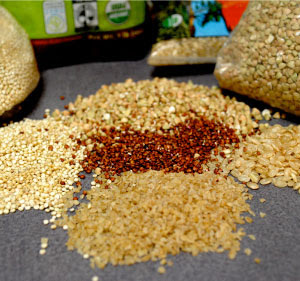
Cereals are great for breakfast, especially for children, as they contain essential nutrients, discovers KASMIAH MUSTAPHA.
IT has been said often enough — breakfast is the most important meal of the day. It is even better if breakfast consists food that provides vitamins and minerals to boost energy. The right food can even help curb obesity.
For children, the best breakfast is cereals. It is easy to prepare, healthier than nasi lemak or roti canai, and can be just as tasty.
Cereal Partners Worldwide (CPW) director of nutrition John Athanatos says children need food that gives them vitamins and minerals to boost energy and provide health benefits.
Breakfast cereals can be a part of the strategy to reduce obesity. Studies have found that children who eat cereals daily have better nutrient intake than those who do not and are more likely to have healthier body weight.
“This is why it is important for parents to make sure their children eat a healthy breakfast. Since children are fussy about eating, parents can make cereals more interesting and fun to eat. Add fruit such as strawberry, mango or banana,” suggests Athanatos.
While a healthy breakfast is important to help reduce obesity among children, parents also need to ensure kids exercise.“Doing only one thing will not help them manage their health. Children need variety in their diet and more physical activities,” says Athanatos.Since 2008, CPW has changed its products to whole grains for added nutritional values.
“Studies have shown that people who eat more whole grain products are at lower risks of heart disease, diabetes and obesity. This has motivated us to use whole grains instead of refined grains. That also sets our products apart from the rest.
“All our breakfast cereal boxes are printed with the whole grain tick, highlighting that if you eat a serving of the cereals, you will get 8g of whole grains,” says Athanatos.
CPW, formed in 1990, is a joint venture between Switzerland-based Nestle S.A. and American food company General Mills.
In Malaysia, Nestle breakfast cereals for children are Koko Krunch, Koko Krunch Duo, Honey Stars, Cookie Crisp, Milo Cereal and Snow Flakes. Except for Snow Flakes, the other products are made from whole grains.“There are no specific regulatory requirements of the content of whole grains in the products but we decided to make it 100 per cent whole grains.
“We preserve the nutritional value of the grains through the milling process. Previously, milling removes the bran and germ which contain fibre, vitamins, minerals and nutrients. In the end, only the endosperm remains.
“But now we mill the grains and reconstitute and preserve the content, bake them and add flavour to the cereals. So consumers are getting whole grains in our products,” says Athanatos.
Grain comprises bran, germ and endosperm. The endosperm in refined products such as white bread and rice, contain carbohydrates, which if eaten in huge portions, leads to obesity and diabetes. Bran contains vitamins B and C, minerals, zinc and fibre while the germ has minerals, vitamins B and E and antioxidants.
“In most countries, the whole grain intake is lower than the recommendation level. Even in countries such as Germany, where breakfast cereals are a staple, studies show that the consumption of whole grains is still below the recommended level,” says Athanatos.
“It is not easy for people to eat whole grains regularly because sometimes the products are tasteless, difficult to cook and textures may be tough. So there is a role for industry to use technology to make the products more palatable.”
The recommendation for consumption of whole grains varies between countries. In the United States, it’s three servings of 60g of whole grains a day while in Denmark, it’s at least 75g.
CPW has also reduced the sugar and salt content in its cereals. Since 2001, 5,000 tonnes of sugar and 850 tonnes of salt have been removed from its products.
“In most European countries, which have higher consumption of breakfast cereals, the meal only contributes about five per cent of total sugar intake for the day.
“At the end of the day, breakfast cereals with milk contain 180 calories, so they are not a significant contributor to calorie intake.” Athanatos says he has been eating cereals from young and now if he does not eat it in the morning, he tends to snack on something unhealthy and then overeat at lunch. So he never skips breakfast.“
It helps me get through at least the first part of the day without feeling hungry. Studies have found that people who skip breakfast record lower physical and cognitive performance compared to those who eat. My sons, aged 2½ and 6 months, eat cereals.”
Article extract from: http://www.nst.com.my/nst/articles/Health_Startthedaywithwholegrains/Article/
Saturday, May 28, 2011
Monday, May 23, 2011
Milk Matters cont.2

Are there any special recommendations for populations with high rates of lactose intolerance?
The American Academy of Pediatrics (AAP) recommends that population groups with high rates of lactose intolerance should not be encouraged to avoid milk and milk products.9 They should try the calcium consumption strategies to get dietary calcium.
Should children take calcium supplements?
Experts suggest that the preferred source of calcium is through calcium-rich foods.10 However, if calcium cannot be obtained dietarily, calcium supplements can be given to children.
What can I do to help my patients?
There are many things you can do as a health care provider to help your patients get enough calcium, including:
*If you have patients who are lactose intolerant, share the "calcium consumption strategies" with them so they know how they can still get calcium without discomfort.
*Provide parents with copies of the Milk Matters booklet, For strong bones…For lifelong health…Milk Matters.
To order free copies of the booklet, call 1 800 370 2943 or visit http://www.nichd.nih.gov/milk.
*Encourage patients ages 9 to 18 to consume 1,300 mg of calcium a day. If a patient does not want to add milk or milk products to his or her diet, suggest non-dairy sources of calcium and calcium-fortified foods.
*Learn more about discussing calcium consumption with patients and their parents in the fact sheet Building Strong Bones: Calcium Information for Health Care Providers.
*For more information, visit the Milk Matters Web site at http://www.nichd.nih.gov/milk.
Milk Matters cont.1
 Most people with lactose intolerance do not require a completely lactose-free diet.
Is self-diagnosis of lactose intolerance accurate?
In some cases, self-diagnosis of lactose intolerance may be the result of culturally based attitudes toward or misinformation about milk and its effects on health. Consequently, many people may be unnecessarily limiting or depriving themselves of the best source of calcium and other nutrients, to the detriment of their overall health.
For instance:
• Ethnic minorities may consume less calcium in their diets because they believe that their ethnic group as a whole is lactose intolerant.
• Many people believe, incorrectly, that all milk and milk products are fattening.6 Among adolescents, particularly females, claims of lactose intolerance may be attempts to avoid the calories in milk.
• Children and teenagers may also maintain that they have lactose intolerance because advertising suggests that milk isn’t "cool."7
What are calcium consumption strategies for patients with lactose intolerance?
Although the degree of lactose intolerance varies, most people with lactose intolerance do not require a completely lactose-free diet. Milk and milk products should not be completely eliminated because they provide key nutrients such as calcium, vitamins A and D, riboflavin, and phosphorus. Studies indicate the following strategies can diminish symptoms in people who have lactose intolerance:
• Drink low-fat or fat-free milk in servings of 1 cup or less.
• Consume low-fat or fat-free milk with other food, such as breakfast cereal.
• Consume other dairy products, such as low-fat or fat-free hard cheeses or cottage cheese, or low-fat or fat-free ice cream or yogurt. These foods contain a lower amount of lactose per serving compared with milk and may cause fewer symptoms.8
• Choose lactose-free milk and milk products, which have an equivalent amount of calcium as regular milk.
• Use over-the-counter pills or drops that contain lactase, which can eliminate symptoms altogether.
• Consume calcium-fortified foods such as orange juice with added calcium, soy beverages with added calcium, and some fortified breads and breakfast cereals.
Some non-dairy foods, such as spinach and broccoli, are also healthy sources of calcium. However, the body absorbs much less calcium from these foods compared to milk or milk products.
Milk Matter

Most tweens* and teens are not getting the recommended 1,300 mg of calcium a day they need to build strong bones—in fact, fewer than one in 10 girls and just more than one in four boys ages 9 to 13 are at or above their adequate intake of calcium.1 And adolescents who may be lactose intolerant are even less likely to get enough calcium.
As you know, pediatric bone development plays a considerable role in osteoporosis prevention. The tween and teen years are critical for bone development because most bone mass accumulates during this time. In fact, by the time teens finish their growth spurts around age 17, 90 percent of their adult bone mass is established.
As a health care provider, you can help your patients get the calcium they need by talking with them and their parents to determine if they have trouble digesting lactose and by providing guidance about how they can get enough calcium each day in spite of this condition.
Note: Tweens are kids ages 9 to 12.
Are there different types of lactose intolerance?
Individuals with lactose intolerance are unable to digest significant amounts of lactose due to an inadequate amount of the enzyme lactase.2
Research shows that lactase is high at birth in all infants regardless of race or ethnicity, but wanes by age 5 to 7 in non-Caucasians and other populations that don't traditionally include dairy products in their diets.3
There are three main types of lactose intolerance:
• Primarily lactose intolerance, in which individuals who were able to digest lactose previously begin experiencing symptoms of digestive discomfort with no history or signs of underlying intestinal disease, is the most common form of lactase deficiency.
• Secondary lactose intolerance is the result of a gastrointestinal disease, such as severe gastroenteritis.
• Congenital lactose intolerance, such as galactosemia, is a lifelong complete absence of lactase, and it is relatively rare. However, it is not uncommon for secondary lactose intolerance to be misdiagnosed during the newborn period as congenital lactose intolerance.
Clinical symptoms of lactose intolerance can include abdominal pain, diarrhea, flatulence, and bloating. The severity of symptoms differs, often depending on the amount of lactase remaining in the body and how much lactose has been consumed.
Individuals vary in their degree of lactose intolerance, but even children and teenagers with primary lactose intolerance can usually consume 8 to 12 ounces (1 to 1 1/2 cups) of milk without experiencing symptoms. Some patients with lactose intolerance may believe they are allergic to milk or milk products. A milk allergy, however, is related to the proteins in milk rather than the lactose.
How common is lactose intolerance?
An estimated 30 million to 50 million American adults are lactose intolerant.4 The pattern of primary lactose intolerance appears to have a genetic component, and specific populations show high levels of intolerance, including approximately: 95 percent of Asians, 60 percent to 80 percent of African Americans and Ashkenazi Jews, 80 percent to 100 percent of American Indians, and 50 percent to 80 percent of Hispanics. Lactose intolerance is least common among people of northern European origin, who have a lactose intolerance prevalence of only about 2 percent.5
Most people with lactose intolerance do not require a completely lactose-free diet.
Milk and Bone Health
Our bones need calcium to grow and stay strong. They especially need calcium during the teen and tween years when bones are growing the fastest and gaining strength for later in life.
Although calcium is found in a variety of foods, low-fat and fat-free milk and other dairy products are great sources of calcium because they have so much of it.
Tweens and teens can get most of their daily calcium from 3 cups of low-fat or fat-free milk, but they also need additional servings of calcium to get the 1,300 mg necessary for strong bones.
Other reasons low-fat and fat-free milk and dairy products are great sources of calcium include:
Low-fat and fat-free milk has lots of calcium with little or no fat.
The calcium in low-fat and fat-free milk and dairy products is easy for the body to absorb and in a form that gives the body easy access to the calcium.
Low-fat and fat-free milk has added vitamin D, which is important for helping your body better absorb calcium.
In addition to calcium, milk and dairy products provide other essential nutrients that are important for optimal bone health and development.
Can everyone drink milk?
Some people get an upset stomach if they drink milk or eat dairy products. This may be (but is not always) a sign of lactose intolerance.
Lactose is the sugar found in milk and dairy foods. When lactose is not digested it may cause an upset stomach, bloating, diarrhea, and gas.
Lactose intolerance is not common in young children. It is much less of a problem if milk or dairy foods are taken with meals. Talk to your pediatrician if you think your child might have trouble digesting milk and dairy foods.
Check out the health information topic Lactose Intolerance or visit the What if milk is a problem for my kids? section of the Milk Matters Web site for more information.
Calcium is critical to building bone mass to support physical activity throughout life and to reduce the risk of bone fractures, especially those due to osteoporosis.
Articles extracted from: http://www.nichd.nih.gov/health/topics/milk_bone_health.cfm
Friday, May 20, 2011
Why do I need a low-GI diet?
 Do you suffer from any of the following:
excess weight
general tiredness, particularly mid-afternoon
flagging energy levels that can be boosted by eating something
lack of concentration
tiredness or grogginess even after a good night’s sleep
mood swingsfood cravings, especiallyfor sweet, fatty foods
mid-afternoon or aftereating a meal
high blood pressurehigh cholesterol
craving for alcohol earlyin the evening
diabetesheart disease
WHERE ARE WE GOING WRONG?
The real key to understanding why so many of us are experiencing such health problems lies in our past. The diet and lifestyle of Westerners have changed almost beyond recognition over the past century. This in itself wouldn’t be a problem if it wasn’t for the fact that our basic physiology and biochemistry remain almost exactly the same as those of our ancestors 1,000 years ago. Consequently, there is a mismatch between the foods that we eat and the foods that our bodies really need.
Although our ancestors ate the same amount of calories as we do today, if not more, they were much more active than we are and obtained considerably fewer of their calories from carbohydrates. The carbohydrates they did eat came in the form of beans, vegetables, wholegrain cereals, fibrous fruits and berries. Lack of refrigeration and little knowledge of food processing meant that much of this food remained relatively unchanged from the field to the plate. Consequently, most of the processing of their food was done by the body after they had eaten it. This took the body a long time, resulting in a gradual, sustained release of sugars into the bloodstream, leaving them feeling full and satisfied for longer.
 By contrast, today flour is ground as thin as talcum powder to enable us to bake the lightest, fluffiest cakes and breads. Preferred fruit varieties are those that are high in sugar and low in fibre because they taste better. Cereals are so highly processed that they become unrecognizable, then refined sugars are added to them to make many of the foods we see on our supermarket shelves. Fibre-filled pulses are often absent from our food cupboards. Instead they have been replaced by highly refined, fatty, fast foods that take little time to prepare and even less time to digest.
As a result, almost every meal we eat contains the sorts of carbohydrates that break down quickly and release their sugars rapidly into the bloodstream, such as baked potatoes, chips, easy-cook rice, biscuits, cereals, cakes, breads and fast foods. And it is these foods that are contributing to many of our health problems. While it may not be possible or even desirable to return to eating habits of old, thanks to extensive testing of carbohydrate foods by leading researchers, we can now monitor the sorts of carbs we eat by referring to something called the ‘glycaemic index’.
WHAT'S THE PROBLEM WITH EATING HIGH-GI FOODS?
The sugars in high-GI foods are broken down quickly so they do not supply a sustained source of energy. Instead, they cause our blood sugar levels to rise rapidly. The body has to respond to this by making large quantities of the blood sugar-lowering hormone, insulin, and releasing it into the blood. Unfortunately, insulin is often too good at its job and instead of just reducing blood sugar levels to a desirable level, it sends them plummeting to levels lower than they were originally. This sets up a yo-yo effect as the body then responds by making us crave fatty, sugary foods in an attempt to make our blood sugar levels rise once more. Many of the symptoms listed on page 8 can be linked to fluctuating blood sugar levels caused by eating too many carbohydrate foods that score high on the glycaemic index.
Food cravings and lethargy
Many of us experience this yo-yo effect as the ‘mid-afternoon lull’. We eat a high-GI lunch – sandwiches or a baked potato, for example – and by 3.30pm we are not only feeling tired, lethargic and lacking in concentration, but we are positively craving something sweet to give us that much needed energy boost. This often happens again after the evening meal when we find ourselves heading back to the kitchen for a dessert, some chocolate biscuits or a glass of wine just a short while after having eaten.
 Weight gain
A diet rich in high-GI foods can cause you to eat more calories (and therefore gain weight) for two reasons. The first is that high-GI foods are quick to break down. The quicker a food breaks down, the sooner you will become hungry and the more likely you will be to want to eat again. Secondly, high-GI foods will cause your blood sugar levels to rapidly rise and then fall, which in turn will result in strong urges to eat fatty, sugary foods shortly after a meal. Both points are compounded by the fact that another of insulin’s main roles is to promote fat storage, so the more insulin you have in your blood the more likely you are to store any excess calories you eat as fat.
Lack of concentration and mood swings
The brain is entirely fuelled by blood sugar. Therefore when levels drop as a result of the excessive production of insulin, it becomes more difficult to concentrate. Research has also found that low blood sugar levels are often linked to mood swings, reduced reaction times and even depression.
Diabetes
Diabetes is one of the most common health problems in the world, but it is most prevalent in Western cultures where we tend to eat a diet rich in highly processed, refined foods. It is thought that the stress that high-GI foods place on the body to keep blood sugar levels constant can result in either the insulin not working properly or the pancreas, the manufacturing site of insulin, becoming less efficient at producing it, sometimes giving up altogether.
Heart disease
As we have already seen, a diet rich in high-GI foods can result in people becoming overweight or developing diabetes. Obesity and diabetes are two of the principal risk factors that can lead to heart disease. In addition, high levels of insulin, which are brought about as a result of eating high-GI foods, are strongly linked to increased blood pressure and cholesterol (along with other blood fats), both of which are also major contributing factors to heart disease.
Articles extracted from: http://www.lowgidiet.net/pages/lowgiwhy.shtml