Saturday, May 28, 2011

Monday, May 23, 2011
Milk Matters cont.2

Are there any special recommendations for populations with high rates of lactose intolerance?
The American Academy of Pediatrics (AAP) recommends that population groups with high rates of lactose intolerance should not be encouraged to avoid milk and milk products.9 They should try the calcium consumption strategies to get dietary calcium.
Should children take calcium supplements?
Experts suggest that the preferred source of calcium is through calcium-rich foods.10 However, if calcium cannot be obtained dietarily, calcium supplements can be given to children.
What can I do to help my patients?
There are many things you can do as a health care provider to help your patients get enough calcium, including:
*If you have patients who are lactose intolerant, share the "calcium consumption strategies" with them so they know how they can still get calcium without discomfort.
*Provide parents with copies of the Milk Matters booklet, For strong bones…For lifelong health…Milk Matters.
To order free copies of the booklet, call 1 800 370 2943 or visit http://www.nichd.nih.gov/milk.
*Encourage patients ages 9 to 18 to consume 1,300 mg of calcium a day. If a patient does not want to add milk or milk products to his or her diet, suggest non-dairy sources of calcium and calcium-fortified foods.
*Learn more about discussing calcium consumption with patients and their parents in the fact sheet Building Strong Bones: Calcium Information for Health Care Providers.
*For more information, visit the Milk Matters Web site at http://www.nichd.nih.gov/milk.
Milk Matters cont.1
 Most people with lactose intolerance do not require a completely lactose-free diet.
Is self-diagnosis of lactose intolerance accurate?
In some cases, self-diagnosis of lactose intolerance may be the result of culturally based attitudes toward or misinformation about milk and its effects on health. Consequently, many people may be unnecessarily limiting or depriving themselves of the best source of calcium and other nutrients, to the detriment of their overall health.
For instance:
• Ethnic minorities may consume less calcium in their diets because they believe that their ethnic group as a whole is lactose intolerant.
• Many people believe, incorrectly, that all milk and milk products are fattening.6 Among adolescents, particularly females, claims of lactose intolerance may be attempts to avoid the calories in milk.
• Children and teenagers may also maintain that they have lactose intolerance because advertising suggests that milk isn’t "cool."7
What are calcium consumption strategies for patients with lactose intolerance?
Although the degree of lactose intolerance varies, most people with lactose intolerance do not require a completely lactose-free diet. Milk and milk products should not be completely eliminated because they provide key nutrients such as calcium, vitamins A and D, riboflavin, and phosphorus. Studies indicate the following strategies can diminish symptoms in people who have lactose intolerance:
• Drink low-fat or fat-free milk in servings of 1 cup or less.
• Consume low-fat or fat-free milk with other food, such as breakfast cereal.
• Consume other dairy products, such as low-fat or fat-free hard cheeses or cottage cheese, or low-fat or fat-free ice cream or yogurt. These foods contain a lower amount of lactose per serving compared with milk and may cause fewer symptoms.8
• Choose lactose-free milk and milk products, which have an equivalent amount of calcium as regular milk.
• Use over-the-counter pills or drops that contain lactase, which can eliminate symptoms altogether.
• Consume calcium-fortified foods such as orange juice with added calcium, soy beverages with added calcium, and some fortified breads and breakfast cereals.
Some non-dairy foods, such as spinach and broccoli, are also healthy sources of calcium. However, the body absorbs much less calcium from these foods compared to milk or milk products.
Milk Matter

Most tweens* and teens are not getting the recommended 1,300 mg of calcium a day they need to build strong bones—in fact, fewer than one in 10 girls and just more than one in four boys ages 9 to 13 are at or above their adequate intake of calcium.1 And adolescents who may be lactose intolerant are even less likely to get enough calcium.
As you know, pediatric bone development plays a considerable role in osteoporosis prevention. The tween and teen years are critical for bone development because most bone mass accumulates during this time. In fact, by the time teens finish their growth spurts around age 17, 90 percent of their adult bone mass is established.
As a health care provider, you can help your patients get the calcium they need by talking with them and their parents to determine if they have trouble digesting lactose and by providing guidance about how they can get enough calcium each day in spite of this condition.
Note: Tweens are kids ages 9 to 12.
Are there different types of lactose intolerance?
Individuals with lactose intolerance are unable to digest significant amounts of lactose due to an inadequate amount of the enzyme lactase.2
Research shows that lactase is high at birth in all infants regardless of race or ethnicity, but wanes by age 5 to 7 in non-Caucasians and other populations that don't traditionally include dairy products in their diets.3
There are three main types of lactose intolerance:
• Primarily lactose intolerance, in which individuals who were able to digest lactose previously begin experiencing symptoms of digestive discomfort with no history or signs of underlying intestinal disease, is the most common form of lactase deficiency.
• Secondary lactose intolerance is the result of a gastrointestinal disease, such as severe gastroenteritis.
• Congenital lactose intolerance, such as galactosemia, is a lifelong complete absence of lactase, and it is relatively rare. However, it is not uncommon for secondary lactose intolerance to be misdiagnosed during the newborn period as congenital lactose intolerance.
Clinical symptoms of lactose intolerance can include abdominal pain, diarrhea, flatulence, and bloating. The severity of symptoms differs, often depending on the amount of lactase remaining in the body and how much lactose has been consumed.
Individuals vary in their degree of lactose intolerance, but even children and teenagers with primary lactose intolerance can usually consume 8 to 12 ounces (1 to 1 1/2 cups) of milk without experiencing symptoms. Some patients with lactose intolerance may believe they are allergic to milk or milk products. A milk allergy, however, is related to the proteins in milk rather than the lactose.
How common is lactose intolerance?
An estimated 30 million to 50 million American adults are lactose intolerant.4 The pattern of primary lactose intolerance appears to have a genetic component, and specific populations show high levels of intolerance, including approximately: 95 percent of Asians, 60 percent to 80 percent of African Americans and Ashkenazi Jews, 80 percent to 100 percent of American Indians, and 50 percent to 80 percent of Hispanics. Lactose intolerance is least common among people of northern European origin, who have a lactose intolerance prevalence of only about 2 percent.5
Most people with lactose intolerance do not require a completely lactose-free diet.
Milk and Bone Health
Why are milk and other dairy products important for bone health?
Our bones need calcium to grow and stay strong. They especially need calcium during the teen and tween years when bones are growing the fastest and gaining strength for later in life.
Although calcium is found in a variety of foods, low-fat and fat-free milk and other dairy products are great sources of calcium because they have so much of it.
Tweens and teens can get most of their daily calcium from 3 cups of low-fat or fat-free milk, but they also need additional servings of calcium to get the 1,300 mg necessary for strong bones.
Other reasons low-fat and fat-free milk and dairy products are great sources of calcium include:
Low-fat and fat-free milk has lots of calcium with little or no fat.
The calcium in low-fat and fat-free milk and dairy products is easy for the body to absorb and in a form that gives the body easy access to the calcium.
Low-fat and fat-free milk has added vitamin D, which is important for helping your body better absorb calcium.
In addition to calcium, milk and dairy products provide other essential nutrients that are important for optimal bone health and development.
Can everyone drink milk?
Some people get an upset stomach if they drink milk or eat dairy products. This may be (but is not always) a sign of lactose intolerance.
Lactose is the sugar found in milk and dairy foods. When lactose is not digested it may cause an upset stomach, bloating, diarrhea, and gas.
Lactose intolerance is not common in young children. It is much less of a problem if milk or dairy foods are taken with meals. Talk to your pediatrician if you think your child might have trouble digesting milk and dairy foods.
Check out the health information topic Lactose Intolerance or visit the What if milk is a problem for my kids? section of the Milk Matters Web site for more information.
Calcium is critical to building bone mass to support physical activity throughout life and to reduce the risk of bone fractures, especially those due to osteoporosis.
Articles extracted from: http://www.nichd.nih.gov/health/topics/milk_bone_health.cfm
Our bones need calcium to grow and stay strong. They especially need calcium during the teen and tween years when bones are growing the fastest and gaining strength for later in life.
Although calcium is found in a variety of foods, low-fat and fat-free milk and other dairy products are great sources of calcium because they have so much of it.
Tweens and teens can get most of their daily calcium from 3 cups of low-fat or fat-free milk, but they also need additional servings of calcium to get the 1,300 mg necessary for strong bones.
Other reasons low-fat and fat-free milk and dairy products are great sources of calcium include:
Low-fat and fat-free milk has lots of calcium with little or no fat.
The calcium in low-fat and fat-free milk and dairy products is easy for the body to absorb and in a form that gives the body easy access to the calcium.
Low-fat and fat-free milk has added vitamin D, which is important for helping your body better absorb calcium.
In addition to calcium, milk and dairy products provide other essential nutrients that are important for optimal bone health and development.
Can everyone drink milk?
Some people get an upset stomach if they drink milk or eat dairy products. This may be (but is not always) a sign of lactose intolerance.
Lactose is the sugar found in milk and dairy foods. When lactose is not digested it may cause an upset stomach, bloating, diarrhea, and gas.
Lactose intolerance is not common in young children. It is much less of a problem if milk or dairy foods are taken with meals. Talk to your pediatrician if you think your child might have trouble digesting milk and dairy foods.
Check out the health information topic Lactose Intolerance or visit the What if milk is a problem for my kids? section of the Milk Matters Web site for more information.
Calcium is critical to building bone mass to support physical activity throughout life and to reduce the risk of bone fractures, especially those due to osteoporosis.
Articles extracted from: http://www.nichd.nih.gov/health/topics/milk_bone_health.cfm
Friday, May 20, 2011
Why do I need a low-GI diet?
 Do you suffer from any of the following:
excess weight
general tiredness, particularly mid-afternoon
flagging energy levels that can be boosted by eating something
lack of concentration
tiredness or grogginess even after a good night’s sleep
mood swingsfood cravings, especiallyfor sweet, fatty foods
mid-afternoon or aftereating a meal
high blood pressurehigh cholesterol
craving for alcohol earlyin the evening
diabetesheart disease
The chances are that you do suffer from one or more of these symptoms. In fact, tiredness is the most common complaint cited in doctors’ surgeries today. A shocking 50 per cent of all UK adults are overweight and the number of seriously obese adults has trebled in the last 20 years. The amount of adults diagnosed with diabetes has doubled in the past 20 years and those developing heart disease has increased by 25 per cent since the late 1980s, resulting in 2.65 million people now living with this crippling condition. These are frightening statistics but perhaps even more frightening is the fact that we are not alone. Take a close look at almost any Western country and you will find a similar picture emerging.
WHERE ARE WE GOING WRONG?
The real key to understanding why so many of us are experiencing such health problems lies in our past. The diet and lifestyle of Westerners have changed almost beyond recognition over the past century. This in itself wouldn’t be a problem if it wasn’t for the fact that our basic physiology and biochemistry remain almost exactly the same as those of our ancestors 1,000 years ago. Consequently, there is a mismatch between the foods that we eat and the foods that our bodies really need.
Although our ancestors ate the same amount of calories as we do today, if not more, they were much more active than we are and obtained considerably fewer of their calories from carbohydrates. The carbohydrates they did eat came in the form of beans, vegetables, wholegrain cereals, fibrous fruits and berries. Lack of refrigeration and little knowledge of food processing meant that much of this food remained relatively unchanged from the field to the plate. Consequently, most of the processing of their food was done by the body after they had eaten it. This took the body a long time, resulting in a gradual, sustained release of sugars into the bloodstream, leaving them feeling full and satisfied for longer.
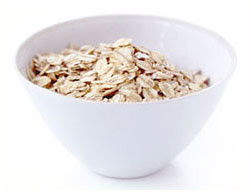 By contrast, today flour is ground as thin as talcum powder to enable us to bake the lightest, fluffiest cakes and breads. Preferred fruit varieties are those that are high in sugar and low in fibre because they taste better. Cereals are so highly processed that they become unrecognizable, then refined sugars are added to them to make many of the foods we see on our supermarket shelves. Fibre-filled pulses are often absent from our food cupboards. Instead they have been replaced by highly refined, fatty, fast foods that take little time to prepare and even less time to digest.
As a result, almost every meal we eat contains the sorts of carbohydrates that break down quickly and release their sugars rapidly into the bloodstream, such as baked potatoes, chips, easy-cook rice, biscuits, cereals, cakes, breads and fast foods. And it is these foods that are contributing to many of our health problems. While it may not be possible or even desirable to return to eating habits of old, thanks to extensive testing of carbohydrate foods by leading researchers, we can now monitor the sorts of carbs we eat by referring to something called the ‘glycaemic index’.
WHAT'S THE PROBLEM WITH EATING HIGH-GI FOODS?
The sugars in high-GI foods are broken down quickly so they do not supply a sustained source of energy. Instead, they cause our blood sugar levels to rise rapidly. The body has to respond to this by making large quantities of the blood sugar-lowering hormone, insulin, and releasing it into the blood. Unfortunately, insulin is often too good at its job and instead of just reducing blood sugar levels to a desirable level, it sends them plummeting to levels lower than they were originally. This sets up a yo-yo effect as the body then responds by making us crave fatty, sugary foods in an attempt to make our blood sugar levels rise once more. Many of the symptoms listed on page 8 can be linked to fluctuating blood sugar levels caused by eating too many carbohydrate foods that score high on the glycaemic index.
Food cravings and lethargy
Many of us experience this yo-yo effect as the ‘mid-afternoon lull’. We eat a high-GI lunch – sandwiches or a baked potato, for example – and by 3.30pm we are not only feeling tired, lethargic and lacking in concentration, but we are positively craving something sweet to give us that much needed energy boost. This often happens again after the evening meal when we find ourselves heading back to the kitchen for a dessert, some chocolate biscuits or a glass of wine just a short while after having eaten.
WHERE ARE WE GOING WRONG?
The real key to understanding why so many of us are experiencing such health problems lies in our past. The diet and lifestyle of Westerners have changed almost beyond recognition over the past century. This in itself wouldn’t be a problem if it wasn’t for the fact that our basic physiology and biochemistry remain almost exactly the same as those of our ancestors 1,000 years ago. Consequently, there is a mismatch between the foods that we eat and the foods that our bodies really need.
Although our ancestors ate the same amount of calories as we do today, if not more, they were much more active than we are and obtained considerably fewer of their calories from carbohydrates. The carbohydrates they did eat came in the form of beans, vegetables, wholegrain cereals, fibrous fruits and berries. Lack of refrigeration and little knowledge of food processing meant that much of this food remained relatively unchanged from the field to the plate. Consequently, most of the processing of their food was done by the body after they had eaten it. This took the body a long time, resulting in a gradual, sustained release of sugars into the bloodstream, leaving them feeling full and satisfied for longer.
 By contrast, today flour is ground as thin as talcum powder to enable us to bake the lightest, fluffiest cakes and breads. Preferred fruit varieties are those that are high in sugar and low in fibre because they taste better. Cereals are so highly processed that they become unrecognizable, then refined sugars are added to them to make many of the foods we see on our supermarket shelves. Fibre-filled pulses are often absent from our food cupboards. Instead they have been replaced by highly refined, fatty, fast foods that take little time to prepare and even less time to digest.
As a result, almost every meal we eat contains the sorts of carbohydrates that break down quickly and release their sugars rapidly into the bloodstream, such as baked potatoes, chips, easy-cook rice, biscuits, cereals, cakes, breads and fast foods. And it is these foods that are contributing to many of our health problems. While it may not be possible or even desirable to return to eating habits of old, thanks to extensive testing of carbohydrate foods by leading researchers, we can now monitor the sorts of carbs we eat by referring to something called the ‘glycaemic index’.
WHAT'S THE PROBLEM WITH EATING HIGH-GI FOODS?
The sugars in high-GI foods are broken down quickly so they do not supply a sustained source of energy. Instead, they cause our blood sugar levels to rise rapidly. The body has to respond to this by making large quantities of the blood sugar-lowering hormone, insulin, and releasing it into the blood. Unfortunately, insulin is often too good at its job and instead of just reducing blood sugar levels to a desirable level, it sends them plummeting to levels lower than they were originally. This sets up a yo-yo effect as the body then responds by making us crave fatty, sugary foods in an attempt to make our blood sugar levels rise once more. Many of the symptoms listed on page 8 can be linked to fluctuating blood sugar levels caused by eating too many carbohydrate foods that score high on the glycaemic index.
Food cravings and lethargy
Many of us experience this yo-yo effect as the ‘mid-afternoon lull’. We eat a high-GI lunch – sandwiches or a baked potato, for example – and by 3.30pm we are not only feeling tired, lethargic and lacking in concentration, but we are positively craving something sweet to give us that much needed energy boost. This often happens again after the evening meal when we find ourselves heading back to the kitchen for a dessert, some chocolate biscuits or a glass of wine just a short while after having eaten.
 Weight gain
A diet rich in high-GI foods can cause you to eat more calories (and therefore gain weight) for two reasons. The first is that high-GI foods are quick to break down. The quicker a food breaks down, the sooner you will become hungry and the more likely you will be to want to eat again. Secondly, high-GI foods will cause your blood sugar levels to rapidly rise and then fall, which in turn will result in strong urges to eat fatty, sugary foods shortly after a meal. Both points are compounded by the fact that another of insulin’s main roles is to promote fat storage, so the more insulin you have in your blood the more likely you are to store any excess calories you eat as fat.
Lack of concentration and mood swings
The brain is entirely fuelled by blood sugar. Therefore when levels drop as a result of the excessive production of insulin, it becomes more difficult to concentrate. Research has also found that low blood sugar levels are often linked to mood swings, reduced reaction times and even depression.
Diabetes
Diabetes is one of the most common health problems in the world, but it is most prevalent in Western cultures where we tend to eat a diet rich in highly processed, refined foods. It is thought that the stress that high-GI foods place on the body to keep blood sugar levels constant can result in either the insulin not working properly or the pancreas, the manufacturing site of insulin, becoming less efficient at producing it, sometimes giving up altogether.
Heart disease
As we have already seen, a diet rich in high-GI foods can result in people becoming overweight or developing diabetes. Obesity and diabetes are two of the principal risk factors that can lead to heart disease. In addition, high levels of insulin, which are brought about as a result of eating high-GI foods, are strongly linked to increased blood pressure and cholesterol (along with other blood fats), both of which are also major contributing factors to heart disease.
Articles extracted from: http://www.lowgidiet.net/pages/lowgiwhy.shtml
Subscribe to:
Posts (Atom)